Temple Dress Code & Etiquette in Sri Lanka: 7 Sacred Rules Every Visitor Must Follow (2026)

Why Temple Etiquette Matters: Understanding Sacred Spaces
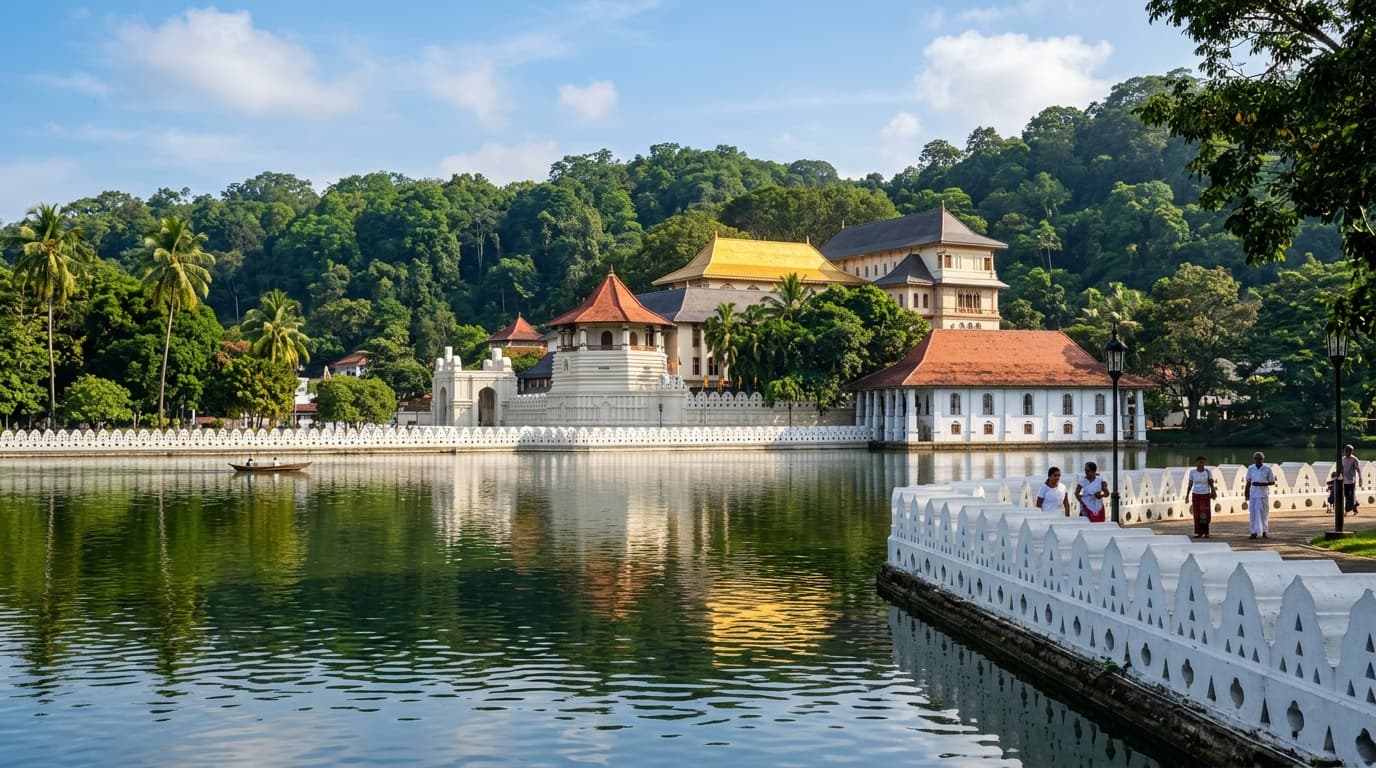
Sri Lanka has an unbroken 2,300-year Buddhist tradition. For Sri Lankans, temples, dagobas (stupas), and sacred Bodhi trees are not historical tourist attractions; they are living places of reverence, meditation, and merit-making. Even the most tolerant monks and temple guardians expect foreign visitors to show genuine respect. Following local etiquette ensures you are welcomed with open arms, warm smiles, and blessed pirith thread ceremonies, rather than being turned away at temple gates or facing cultural misunderstandings.
The Ayubowan Greeting: When entering a temple or greeting monks, place your palms together in front of your chest and bow your head slightly with a gentle smile. It is an ancient gesture honoring the divine spark in another person.
Rule 1 & 2: Shoulders & Knees Must Be Covered; Wear White or Light Colors
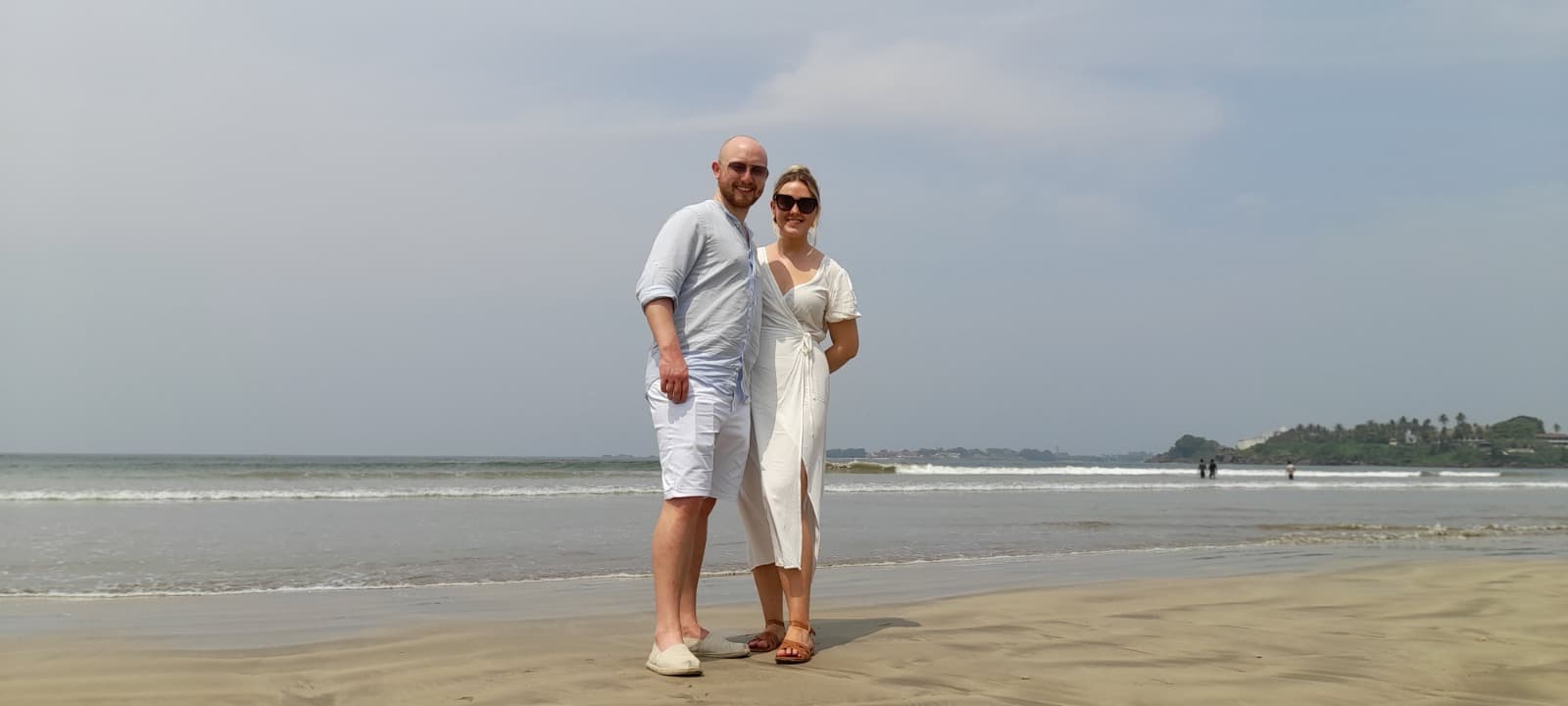
• Rule 1: Modest Coverage: Both men and women must ensure their shoulders, upper arms, and knees are completely covered. Sleeveless tank tops, singlets, athletic shorts, short dresses, and low-cut blouses are strictly prohibited. Loose linen trousers, long skirts, or culottes are ideal for tropical warmth. • Rule 2: The Honor of Wearing White: In Sri Lankan Theravada Buddhism, white symbolizes purity, simplicity, and truth. On Poya (full moon) days and during temple visits, locals dress head-to-toe in spotless white. While foreign visitors are not legally mandated to wear white, wearing white or light pastel shirts earns tremendous warmth and admiration from local devotees.
The Sarong Savior: Keep a light cotton sarong or wide scarf in your daypack. If you take a spontaneous trip to a temple while wearing shorts, you can tie the sarong around your waist in seconds to satisfy knee-coverage requirements.
Rule 3 & 4: Remove Shoes & Hats; The Critical Buddha Selfie Law
• Rule 3: Removing Footwear & Headgear: You must take off all shoes, sandals, and socks (or use plain white socks), as well as hats, caps, and sunglasses, before stepping onto consecrated temple ground. Designated shoe-minding counters (holding shoes for a nominal local currency notes tip) are situated at every major temple entrance. • Rule 4: NEVER Turn Your Back to a Buddha Statue for a Photo: This is the most serious legal and cultural offense in Sri Lanka. Posing with your back to the Buddha to take a selfie or group photo is viewed as treating the Buddha as a decorative backdrop rather than a revered teacher. Always stand to the side, face toward the statue, or photograph the statue respectfully without posing yourself in front.
Legal Consequences: Tourists have previously faced deportation and police fines for turning their backs to sacred statues for casual social media photos. Treat statues with the utmost reverence at all times.
Rule 5, 6 & 7: Buddha Tattoos, Touching Relics & Interacting with Monks
• Rule 5: Cover Buddha Tattoos: Under Sri Lankan law, displaying tattoos of the Buddha or sacred Buddhist symbols on your skin is viewed as sacrilegious. If you have any Buddhist tattoos on your arms, legs, or back, ensure they are fully covered with clothing, adhesive bandages, or compression sleeves while in Sri Lanka. • Rule 6: Interacting with Buddhist Monks: Monks are accorded the highest social honor. When offering something to a monk, use both hands. Women must never touch a Buddhist monk or hand items directly into a monk's hands (items should be placed on a table or clean cloth in front of them). • Rule 7: Walk Clockwise Around Stupas: When walking around a circular stupa (dagoba) or sacred relic shrine, always walk in a clockwise direction (keeping the sacred structure to your right side). This ancient ritual is called pradakshina and symbolizes cosmic harmony.
Offering Flowers: You will see flower vendors selling fragrant purple water lilies (the national flower) and white frangipani. Purchasing a lotus flower to offer at the shrine is a peaceful, beautiful cultural experience.
Frequently Asked Questions: Sri Lanka Temple Etiquette
• What should men wear in Hindu Kovils in Jaffna or Colombo? When entering inner Hindu Kovil shrines (such as Nallur Kandaswamy in Jaffna), men are traditionally required to remove their shirts as a mark of humility, wearing a white cotton vetti (sarong) around their waist. • What about photography inside temples? Flash photography is forbidden near ancient frescoes (such as Dambulla and Sigiriya) to prevent pigment degradation. Always check for 'No Photography' signs near sacred inner sanctums. • Are children subject to the same dress code? Young children under the age of 8 are allowed more leeway, but dressing children in modest shorts and light t-shirts is recommended.
Travel with Cultural Confidence: Tour with Amaya Lanka Tours! Senior Chauffeur Sugath Priyankara guides you gracefully through all temple protocols, ensuring an enriching and stress-free journey.
Want to Experience This on a Private Chauffeur Tour?
Every detail (including 1st/2nd class reserved scenic train tickets, dedicated chauffeur hosts, and boutique highland retreats) can be arranged seamlessly by Sugath Priyankara.
More Insider Travel Guides
Sri Lanka in July & August: Why the East Coast (Trincomalee & Pasikuda) is Paradise for Summer Holidays (2026)
Planning Your Sri Lanka Trip Budget in 2026: The Complete Financial & Cost Planning Guide