Best Time to Visit Sri Lanka (2026): A Month-by-Month Weather & Monsoon Survival Guide

When Is the Best Time to Visit Sri Lanka? The Direct Verdict
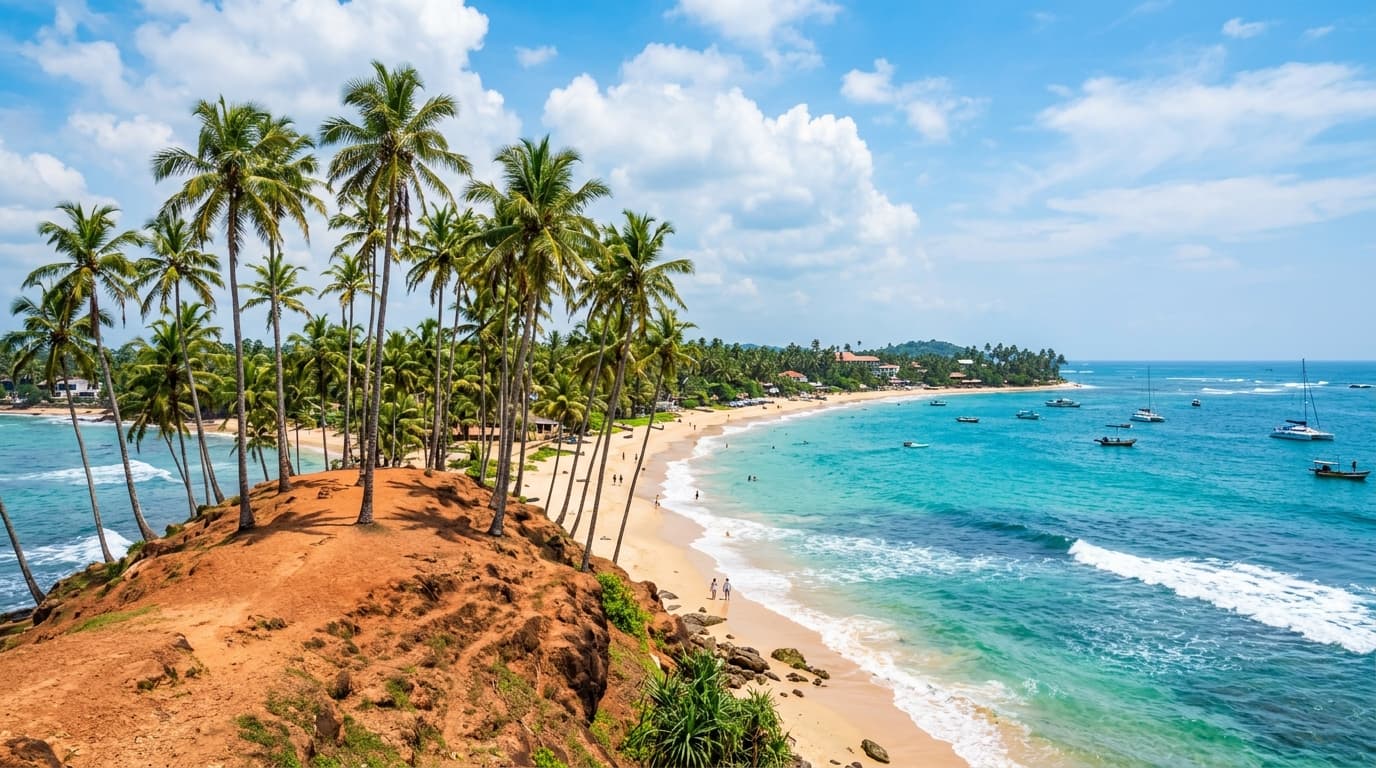
Sri Lanka is a genuine 365-day year-round travel destination thanks to a rare and fortunate geographic climate: the dual monsoon system. Unlike countries that experience an all-island rainy season, Sri Lanka is touched by two opposing monsoons that hit opposite sides of the island at different times of the year. • For the South & West Coasts (Galle, Bentota, Mirissa, Colombo) and Central Highlands: The best time to visit is December to April, featuring radiant sunshine, dry mountain trails, and calm turquoise seas. • For the East Coast (Trincomalee, Passikudah, Arugam Bay) and Cultural Triangle: The best time to visit is May to September, offering mirror-calm ocean waters and cloudless blue skies. This means that no matter what month your vacation falls in, one half of Sri Lanka is always basking in dry, tropical beach weather.
The Golden Rule of Ceylon Climate: You never have to avoid Sri Lanka because of 'monsoons.' Simply align your itinerary with the sunny coast! At Amaya Lanka Tours, we dynamically adapt our travel routes so you always stay ahead of seasonal rainfall.
Understanding the Dual Monsoons: Yala vs. Maha
Sri Lanka's weather is governed by two distinct seasonal wind patterns: • The Yala Monsoon (Southwest Monsoon): Blows from the Indian Ocean between May and September. It brings rainfall to the southwestern quadrant (including Colombo, Galle, Bentota, and the western slopes) of the hill country. During these months, the eastern and northern plains remain dry, sunny, and warm. • The Maha Monsoon (Northeast Monsoon): Sweeps down from the Bay of Bengal between October and January. It brings showers to the northeast (including Trincomalee, Batticaloa, and Jaffna). Meanwhile, the southern and western beaches enjoy peak sunny weather. • Intermonsoonal Transitions (April & October/November): Weather during these transition weeks is characterized by warm, clear mornings and occasional late-afternoon or evening tropical thunderstorms that cool the evening air.
What Does Tropical Rain Actually Look Like? Monsoon rainfall rarely means gray, relentless drizzle lasting days on end. It usually arrives as an intense, dramatic 1-to-2-hour late afternoon thunderstorm, after which skies clear rapidly and temperatures remain comfortably warm.
High Season (December to April): The Classic Southern Circuit
December through April is universally celebrated as Sri Lanka's peak tourist season, attracting travelers escaping cold European and North American winters: • Weather & Temperatures: Coastal temperatures average a balmy 29°C to 32°C (84°F–90°F) with minimal rainfall. The Central Highlands (Nuwara Eliya, Ella) offer refreshing daytime highs of 20°C (68°F), cooling down to a crisp 12°C–14°C at night. • Best Destinations: Negombo, Sigiriya, Kandy, Nuwara Eliya, Ella, Yala National Park, and the iconic south-coast golden crescent from Tangalle to Mirissa and Galle Fort. • Top Activities: Blue whale and sperm whale watching off the coast of Mirissa; climbing Sigiriya Lion Rock under blue skies; hiking Little Adam's Peak; and ocean snorkeling in calm southern bays.
Booking Window Advice: December and January see high luxury demand. Premium boutique hotels, heritage tea bungalows, and SLTDA-licensed chauffeurs sell out months ahead. We recommend securing your private tour bookings at least 90 to 120 days in advance.
Summer Season (May to September): The East Coast & The Great Elephant Gathering
While many guidebooks mistakenly label May to September as 'low season', it is actually the absolute prime season for the East Coast and North Central plains: • The East Coast Riviera: Trincomalee, Nilaveli, and Passikudah boast glassy, mirror-calm turquoise waters that are far calmer than the southern beaches during winter. It is the premier season for snorkeling with blacktip reef sharks at Pigeon Island and diving world-class shipwrecks. • Arugam Bay World-Class Surf: Between June and September, legendary right-hand point breaks at Arugam Bay attract global surfers with consistent 4-to-7-foot waves and vibrant beach nightlife. • The Great Elephant Gathering at Minneriya: From July to October, receding water levels in Minneriya and Kaudulla National Parks expose lush green grasses, drawing together over 200 to 300 wild Asian elephants in one of the world's greatest natural wildlife spectacles.
Summer Family Perfection: If you are traveling during European summer school holidays (July & August), our 'East Coast & Cultural Triangle' itinerary offers flawless beach sunshine, calm waters for toddlers, and unforgettable wild elephant safaris.
Month-by-Month Sri Lanka Weather Snapshot (Jan to Dec)
• January – February: Peak sunshine across South/West coast; calm seas in Mirissa; vibrant pilgrim season at Adam's Peak. • March: One of the driest, sunniest months across the entire island; excellent for Cultural Triangle sightseeing and tea estates. • April: Warmest month nationwide; Sinhala and Tamil New Year celebrations (mid-April); intermonsoon evening showers begin. • May: Start of Southwest Yala monsoon; East Coast (Trincomalee/Passikudah) becomes radiant and calm. • June – July: East Coast in full glory; Arugam Bay surfing peaks; Central dry zone wildlife safaris outstanding. • August: Spectacular weather in the East; famous 10-day Kandy Esala Perahera festival; Great Elephant Gathering at Minneriya. • September: Great Elephant Gathering reaches peak numbers; pleasant dry weather in Cultural Triangle. • October – November: Intermonsoon transitions; lush green landscapes; blooming waterfalls across the hill country. • December: High season kicks off; Christmas holiday sunshine returns to southern beaches and Galle Fort.
Wildlife Safari Tip: Yala and Wilpattu are open year-round, but waterhole concentrations between July and October offer the highest leopard and sloth bear sighting frequencies of the year.
Frequently Asked Questions: Sri Lanka Weather & Best Times to Travel
• When is the best time for blue whale watching? Mirissa (South Coast) runs from late November to April. Trincomalee (East Coast) runs from May to October, ensuring whale watching is possible nearly year-round! • What should I pack for changing hill country weather? Pack light cottons and swimwear for coastal days, but always bring a light fleece or warm layer for Nuwara Eliya and Horton Plains, where night temperatures drop sharply. • Is it safe to swim in the sea year-round? Only swim on the coast that is currently in its calm season. In the south from May to October, powerful monsoon swells create dangerous rip currents; during those months, we guide guests to sheltered lagoons or the calm eastern bays.
Plan Your Weather-Optimized Tour: Contact Senior Chauffeur Guide Sugath Priyankara on WhatsApp at +94 72 558 2444 for real-time local weather updates and tailored itineraries that guarantee sunshine during your holiday dates!
Want to Experience This on a Private Chauffeur Tour?
Every detail (including 1st/2nd class reserved scenic train tickets, dedicated chauffeur hosts, and boutique highland retreats) can be arranged seamlessly by Sugath Priyankara.
More Insider Travel Guides
Sri Lanka in July & August: Why the East Coast (Trincomalee & Pasikuda) is Paradise for Summer Holidays (2026)
Planning Your Sri Lanka Trip Budget in 2026: The Complete Financial & Cost Planning Guide